Sarah’s House
2 Hours Ago
560 MB
0.9.16
Android 5.0+
20M+
Images


Description
If you have ever wished a mobile game would simply let you breathe, explore at your own pace, and genuinely feel something, Sarah’s House might be exactly what you have been looking for. This story-driven exploration title takes a completely different approach from the flashy, fast-paced games that crowd app stores today. Instead, it places you inside a quiet, detail-filled home and asks one simple question: What happened here?
The result is one of the more memorable cozy mystery experiences available on mobile right now.
What Is Sarah’s House?
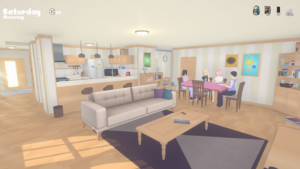
Sarah’s House is a narrative simulation and exploration game built around a single, carefully crafted location — a home full of memories, personal belongings, and quiet secrets. Players take on the role of a visitor who arrives at the house under unexplained circumstances, only to discover that almost every corner of the space holds a piece of someone’s untold story.
There are no enemies to fight. No timers counting down. No leaderboards pushing you to compete. The entire focus of Sarah’s House sits on one thing: discovery through exploration.
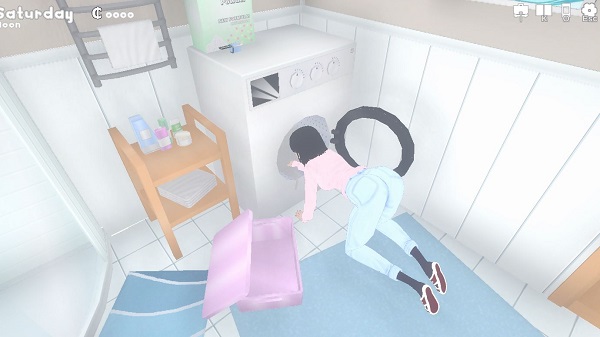
You open drawers & read old letters. You study photographs hanging on the wall. Slowly, piece by piece, the life of a person named Sarah begins to take shape in your mind.
How the Gameplay Works
The core loop of Sarah’s House is refreshingly simple. Players move through rooms, interact with objects, and collect information that adds to the overall story. There are no complicated control schemes or confusing menus to wrestle with.
Room Exploration
Each room inside the house serves a specific narrative purpose. The living room feels warm and lived-in. The bedroom holds more personal secrets. Storage areas and hidden corners contain details that only the most observant players will catch. The house itself functions less like a game level and more like a real space that a real person once called home.
Object Interaction
Items throughout the house are interactive in meaningful ways. Players can rotate certain objects, zoom in for a closer look, or trigger small memory sequences tied to a particular item. None of these interactions feel placed randomly — every single one connects back to the larger story.
Light Puzzle Mechanics
Sarah’s House does include some puzzle elements, though they never feel forced or out of place. Finding a key to unlock a room, matching a set of clues from two different areas, or piecing together a torn note are the kinds of challenges the game presents. They fit naturally within the exploration experience and never pull attention away from the story.
Memory Reconstruction
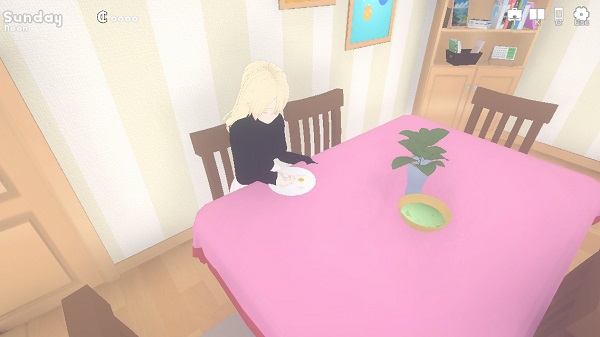
As players gather more clues, fragmented memories begin to form a clearer picture of who Sarah was and what her life involved. This process happens gradually and organically, which makes each discovery feel genuinely rewarding.
The Story and Why It Holds Attention
The storytelling approach in Sarah’s House stands out because it trusts the player. Rather than presenting the narrative through long cutscenes or heavy exposition, the game lets players assemble the story themselves.
Personal journals written in Sarah’s own voice offer direct windows into her thoughts and emotions. Photographs reveal moments from her past that carry visible weight. Environmental details — a half-finished letter, an oddly placed object, a room that feels slightly off — hint at events that words alone might not capture.
What makes this approach work so well is that players can experience the story in different orders depending on where they explore first. This gives each playthrough a slightly personal feel, since the emotional impact of certain discoveries depends on what you already know when you find them.
The overall tone sits somewhere between reflective and gently unsettling. Sarah’s House is not a horror game, but it does carry a quiet tension that keeps curiosity alive from start to finish.
Visuals and Sound Design
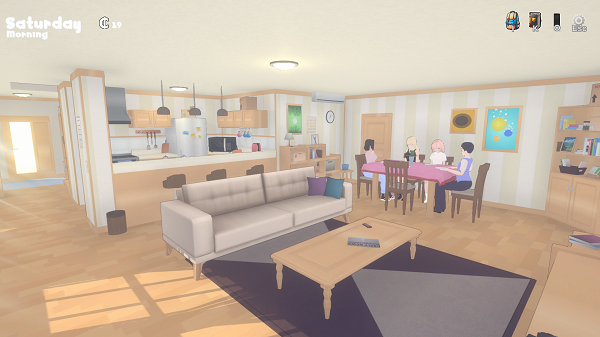
The visual presentation of Sarah’s House leans toward realism. Rooms are decorated with believable furniture, natural lighting, and textures that make the space feel genuinely inhabited. Each area has its own visual identity, which helps players feel the difference between spaces even before reading a single clue.
Lighting deserves particular attention here. Soft, warm light in certain rooms creates a sense of safety and familiarity. Dimmer corners and shadowed spaces introduce a gentle unease that fits the mystery perfectly. It is a small detail that makes a large difference.
On the audio side, the game takes a restrained approach. Ambient sound does most of the work — creaking floorboards, doors shifting on their hinges, distant background noise that reminds you the world outside the house still exists. Musical moments appear occasionally during emotionally significant scenes, but the game mostly trusts silence and natural sound to carry the atmosphere.
This combination of detailed visuals and minimal sound design creates an immersion level that many mobile games simply do not reach.
Who Is Sarah’s House Made For?
Sarah’s House is not going to appeal to every type of mobile gamer. Players who prefer high-energy action, competitive multiplayer, or rapid reward cycles may find its pacing too slow.
However, for a specific kind of player, it hits a perfect note. If you enjoy:
- Walking simulators and environmental storytelling games.
- Cozy mystery experiences that reward patience and attention.
- Narrative-driven games where story matters more than mechanics.
- Atmospheric indie titles that prioritize mood over spectacle.
…then Sarah’s House is genuinely worth your time.
It occupies a space similar to titles like Gone Home or What Remains of Edith Finch — games that treat a single location as the primary character and use careful design to make exploration feel meaningful.
Replay Value
For a narrative-focused title, Sarah’s House offers a solid reason to return. Because the story reveals itself through exploration rather than a fixed sequence, first-time players are almost certain to miss details. Returning to the house with full knowledge of the story allows you to notice how carefully certain clues were planted — and to appreciate the design decisions that might have gone over your head the first time.
Some players also revisit simply to sit in the atmosphere again. There is something oddly comforting about the space, even given its mystery, and that quality alone gives the game a longer shelf life than its runtime might suggest.
Final Thoughts
Sarah’s House delivers an experience that feels genuinely different from most of what the mobile gaming market offers. It is quiet, deliberate, and emotionally honest. The house it places you inside feels real. The story it asks you to piece together feels human. And the atmosphere it builds — through lighting, sound, and careful object placement — holds together from beginning to end.
It will not satisfy players looking for action or competition. But for anyone who has ever wanted a mobile game that respects both their intelligence and their time, Sarah’s House is a thoughtful, well-crafted choice that lingers long after the final discovery.