Mindcop
2 Hours Ago
581 MB
1.4.3
Android 5.0+
1M+
Images
Description
Fans of mystery solving and detective work have something fresh to explore. Mindcop blends investigative mechanics and puzzle gameplay in ways that feel distinct from typical mystery games. This title connects mind-reading abilities to traditional crime-solving while challenging players to catch a killer within a strict time limit.
What Is Mindcop
Mindcop stands as a detective game that puts you in control of solving a murder case in the small town of Merrilyn Crater Camp. The game comes from solo developer Andre Gareis, who spent six years creating this hand-drawn mystery. You take on the role of a detective with special mind-reading powers, working alongside your partner, Linda, to solve the murder of a resident named Rebecca.
The setting involves a rural tourist destination during the off-season. Only a close group of staff members remains, and one of them committed the crime. Your job requires using both standard detective work and supernatural abilities to uncover which person among the thirteen inhabitants killed the victim.
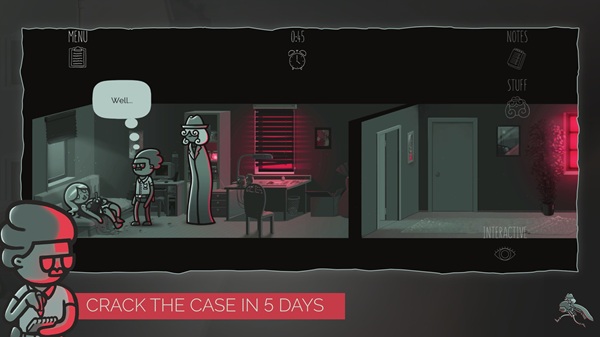
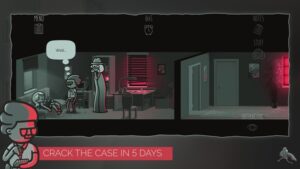
Unlike games that guide you through each step, this title gives you freedom to investigate however you choose. The catch comes from having only five in-game days to crack the case. Each day provides just seven hours of investigation time, making every decision count toward finding the truth.
How the Mindcop Game Works
The foundation centers on traditional point-and-click adventure mechanics mixed with unique puzzle elements. You move through the town visiting different locations, talking to residents, and examining objects for clues. The Mindcop APK uses a 2D perspective with hand-drawn environments rendered mostly in black, white, and red colors.
What separates this from other detective games is the time management system. Every single action you take consumes in-game minutes. Looking at a poster might cost two minutes. Questioning a suspect could take fifteen minutes. Entering a building takes thirty minutes. These small chunks add up quickly across the seven-hour daily limit.
This mechanic forces you to think carefully about priorities. Do you spend time examining every object in a room, or focus only on items that seem relevant? Should you question every person about every topic, or be selective with your conversations? The time pressure creates tension that makes each choice feel important.
Character Investigation and Questioning
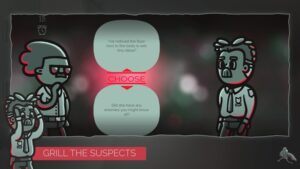
The main activity involves talking to the thirteen potential suspects living in Merrilyn Crater Camp. Each person has their own background, relationships, and secrets. Some information comes easily through conversation, while other details require digging deeper or finding the right evidence to present.

Conversations work through selecting topics and evidence to discuss. When you discover new information, it gets added to your case file. You can then bring up these topics with other people to see their reactions and gather more details. Different characters respond differently to the same questions based on their personalities and connections to the victim.
Mindcop game tracks your relationships with each character. Treating people poorly or making accusations without evidence can cause them to stop cooperating. Their family members and close friends might also become hostile, cutting off potential sources of information. Managing these relationships becomes part of the investigation strategy.
Mindsurfing Mechanics of Mindcop
The standout feature comes from the Mindcop’s ability to surf through people’s thoughts. This mind-reading power activates through a puzzle game that plays out in real time. When you choose to mindsurf a suspect, colored bullets fly toward a brain-shaped block in the center of the screen.
Your task involves rotating this brain block to match three bullets of the same color in a row. Making successful matches grants additional time for the Mindcop character surfing at the bottom of the screen to reach the finish line. The puzzle starts simple but adds complexity as you progress, introducing different colors and obstacles that disrupt your matching attempts.
Completing a mindsurfing session successfully unlocks access to that person’s Sea of Thoughts. This mental space contains three doors labeled Truth, Lie, and Uncertainty. Behind each door sits a scene that reveals something about the character’s psyche, memories, or beliefs.
Sea of Thoughts Exploration
The scenes revealed through the Sea of Thoughts rarely give direct answers. Instead, they provide impressions and fragments that require interpretation. A truth scene might show someone crying over losing a friend, suggesting genuine grief. A lie scene could reveal a fantasy or false belief the person holds about themselves or others.

Uncertainty scenes present the biggest challenge for interpretation. These show possibilities or conflicting thoughts that might or might not reflect reality. Learning to read these scenes correctly becomes crucial for understanding who might be hiding something versus who genuinely knows nothing about the crime.
The content behind these doors can get quite dark. The Mindcop game includes themes of domestic violence, suicidal thoughts, and other heavy subjects. Players who find such content difficult should consider whether this game suits their preferences before diving in.
Evidence Collection and Analysis
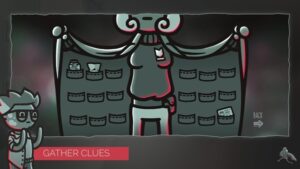
Beyond talking to people and reading minds, you spend time gathering physical evidence. The crime scene provides the starting point, with blood stains, the victim’s belongings, and various objects that might connect to the murder. Each piece of evidence gets cataloged in your case file for later reference.
Investigation mode lets you examine environments in detail. A reticle appears that you move around the screen to highlight objects worth inspecting. Some items provide valuable clues, while others turn out to be dead ends that waste precious time. Learning which details matter versus which don’t becomes part of the skill development.
You can also obtain warrants to search people’s homes. This action upsets the homeowner but might reveal important evidence they were hiding. Like arresting suspects, using warrants carries social consequences that affect how willing people are to help you afterward.
Decision Making and Consequences
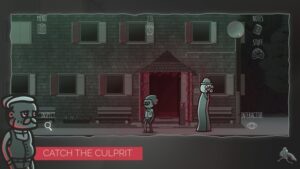
Arresting suspects represents one of the most impactful decisions available. You can arrest any character at any time, even without solid proof. Doing so immediately ends the current day and takes that person to the police station for further questioning.

However, arresting the wrong person creates serious problems. The arrested character will resent you and become uncooperative. Their friends and family members will also turn cold, refusing to answer questions or provide assistance. You can only hold one person at a time, so choosing incorrectly wastes both time and relationship capital.
The Mindcop encourages careful consideration before making arrests. Gather sufficient evidence, talk to multiple people, and use your mindsurfing ability to verify suspicions before taking such a drastic action. Rushing to arrest someone based on hunches often leads to complications that make solving the case harder.
Non-Linear Investigation Approach
After the initial tutorial, the Mindcop game Latest sets you loose without predetermined paths. You decide which locations to visit first, which people to question, and which leads to follow. This freedom means different players will experience different sequences of discoveries based on their choices.
The order in which you learn information shapes your understanding of the case. Discovering one clue early might send you down a particular investigative path, while finding different evidence first could lead in another direction. This design creates replay value since subsequent playthroughs can reveal new connections and perspectives.
The non-linear structure also means you might miss important information entirely. Time constraints make it impossible to examine everything and talk to everyone about every topic. Part of the challenge involves deciding what matters most and accepting that some stones will remain unturned.
Two Different Endings
Your investigation culminates on the fifth day when you must make a final accusation. The game features two different endings based on whether you correctly identify the real killer. Getting it right brings a satisfying conclusion that ties together the evidence and explains the crime.
Accusing the wrong person leads to failure and requires restarting the entire investigation from the beginning. Some players find this frustrating since it means replaying content already experienced. However, the second attempt often goes faster since you know more about where to focus attention and which leads matter most.
The endings differ not just in success versus failure but in the narrative details revealed. Catching the correct killer unlocks scenes and information that explain motivations and circumstances around the murder. These revelations reward players who successfully pieced together the puzzle.
Visual Design and Atmosphere
The art style uses hand-drawn graphics with a limited color palette of black, white, and red. This noir aesthetic reinforces the crime drama theme while making characters and environments visually distinct. The red color highlights important objects and adds dramatic emphasis during key moments.
Character designs feature a cartoonish quality that contrasts with the serious subject matter. Some players enjoy this juxtaposition between the cute art style and dark themes, while others feel it clashes with the grim tone. The designs also make character ages somewhat ambiguous, which can confuse players when age becomes relevant to the plot.
Animation remains smooth and expressive despite the simple style. Characters move fluidly and display clear emotions through body language and facial expressions. The Mindcop character performs a little arm wave dance when confronting suspects that adds personality to interactions.
Sound and Music
The soundtrack consists of noir-inspired tracks that fit the detective theme. The mindsurfing sequences feature smooth synth and saxophone music that creates a different vibe from the investigation portions. These musical shifts help distinguish between the grounded detective work and the surreal mind-reading segments.
Voice acting appears only during certain key cutscenes rather than throughout the entire game. The voiced lines that exist come across well-performed, but many players wish the full game had voice acting, given the quality of what’s present. Most dialogue appears as text with typing sound effects.
The sound design supports the atmosphere without overwhelming other elements. Environmental sounds, footsteps, and UI feedback provide audio cues that enhance immersion without distracting from the investigation focus.
Game Length and Replay Value
A single playthrough takes roughly two to four hours, depending on how thoroughly you investigate and how quickly you solve the case. This relatively short length fits the focused nature of the story without overstaying its welcome. The time limit creates natural pacing that keeps the experience tight.
Replay value comes from multiple sources. Trying different investigation approaches reveals new information and character interactions. You might focus on different suspects or prioritize different types of evidence each time. The non-linear design means each playthrough can feel somewhat different, even with the same overall story.
The lack of manual saves means you can’t experiment with different choices and reload to see alternatives. The game uses autosave only, which limits your ability to test various approaches without committing to a full replay. This design choice encourages living with your decisions but reduces flexibility for players who enjoy exploring all options.
Platform Availability
Mindcop releases on multiple platforms, including PC through Steam, PlayStation 5, and Nintendo Switch. The game runs well across these different systems with smooth performance and quick load times. The simple graphics and mechanics translate effectively to both console controllers and mouse and keyboard controls.
Steam offers the game at a discount during sales events, with prices sometimes dropping by more than half off the standard cost. The PlayStation and Switch versions maintain similar pricing with occasional promotional periods. All versions include the same content without platform-specific exclusives or limitations.
A demo version exists on Steam that lets players try the game before purchasing. This demo includes the tutorial section and early investigation, giving a good sense of the gameplay mechanics and tone. Players who enjoy the demo typically find the full game delivers a satisfying expansion of those initial impressions.
System Requirements and Performance
The PC version runs on relatively modest hardware. Windows users need a 64-bit operating system with basic modern specifications. The hand-drawn 2D graphics don’t demand powerful graphics cards or processors, making the game accessible to players without high-end gaming computers.
Console versions perform smoothly on both PlayStation 5 and Nintendo Switch. The Switch version maintains good frame rates despite the handheld system’s less powerful hardware. Load times stay short across platforms, with transitions between areas and scenes happening quickly enough to avoid disrupting the investigation flow.
Storage requirements remain reasonable at a few gigabytes. The game downloads and installs quickly, getting players into the mystery without lengthy waits. Updates and patches download small amounts of data when released to address bugs or make improvements.
Tips for New Players
Start by thoroughly investigating the crime scene during the tutorial. The game teaches core mechanics here, and paying attention to the explanations prevents confusion later. Don’t worry too much about time during this opening section since it serves mainly as instruction.
Take notes outside the game about character relationships and evidence connections. The case file tracks information you’ve discovered, but making your own notes helps organize thoughts and spot patterns. Many players find success keeping a separate document or notebook for tracking suspicions and timelines.
Don’t be afraid to mindsurf multiple people, even if it costs time. The information revealed through the Sea of Thoughts often proves more valuable than standard questioning. The puzzle mechanics become easier with practice, and the upgrades you earn make later mindsurfing sessions faster to complete.
Consider your first playthrough a learning experience. You might not catch the killer the first time, and that’s okay. The second attempt usually goes smoother since you understand the investigation mechanics better and know which characters and locations deserve priority attention.
Community Reception
Players who enjoy detective games and mystery-solving tend to respond positively to Mindcop. The freedom to investigate without hand-holding appeals to people who want to feel like real detectives rather than following preset paths. Reviews frequently praise the writing quality and character depth.
The time management mechanic divides opinion. Some players love the pressure it creates and the meaningful choices it forces. Others find it frustrating, especially when they realize they’ve wasted time on dead ends and need to restart. Personal preference for tense resource management largely determines which camp players fall into.
Steam reviews show overwhelmingly positive ratings, with the vast majority of players recommending the game. Common praise points to the unique mindsurfing mechanic, engaging mystery, and satisfying investigation gameplay. Criticisms focus mainly on the art style clashing with tone and the harsh restart penalty for failure.
Developer Background
Andre Gareis created Mindcop as a solo developer working from Germany. He spent six years developing the game, working full-time on it since 2022. The entire town of Merrilyn Crater Camp and its characters were drawn by hand, showing dedication to the artistic vision.
The solo development approach means every aspect of the game came from a single creative vision. This cohesion shows in how the various mechanics and story elements fit together. The project represents a significant achievement for an individual developer working without a large team or major studio resources.
Gareis maintains active communication with players through Steam forums and other channels. Updates address bugs and technical issues that players report. The developer’s responsiveness to feedback helps improve the experience and shows ongoing support for the game post-release.
Final Words
Mindcop delivers a focused detective experience that respects player intelligence. The time management system creates meaningful pressure without feeling arbitrary. The mindsurfing mechanic adds personality and puzzle gameplay to standard investigation activities.
The non-linear approach lets you tackle the mystery your own way. You decide which leads to follow, which suspects to pressure, and when to make accusations. This freedom comes with responsibility since poor decisions waste limited time and resources.
For players seeking a detective game that doesn’t hold hands or telegraph solutions, this title deserves attention. The combination of traditional investigation work and supernatural mind-reading creates a unique flavor. Whether you solve the case on the first try or need multiple attempts, the journey of piecing together the truth provides satisfaction that makes the effort worthwhile.