Epstein File
2 Hours Ago
40 MB
1.0
Android 5.0+
3M+
Images




Description
Introduction
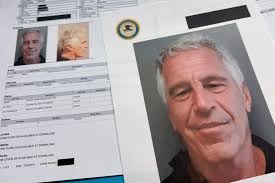
Few criminal cases in modern history have exposed the intersection of wealth, power, and systemic failure as starkly as the case of Jeffrey Epstein. Often referred to collectively as the “Epstein File,” thousands of pages of court documents, depositions, flight logs, financial records, and investigative reports have slowly emerged over more than two decades. Together, they paint a disturbing picture—not only of Epstein’s crimes, but of the institutions and individuals that enabled him.
The Epstein file does not represent a single document or release. Rather, they are an evolving archive of legal records tied to criminal prosecutions, civil lawsuits, and investigative journalism. These files have fueled public outrage, renewed scrutiny of elite networks, and ongoing demands for transparency and accountability.
This article examines the origins of the Epstein case, the contents and significance of the Epstein file, the failures of the justice system, and the broader implications for power, privilege, and accountability in the modern world.
Who Was Jeffrey Epstein?
Jeffrey Edward Epstein was born in 1953 in Brooklyn, New York. He worked briefly as a teacher before entering the world of finance, where he cultivated relationships with wealthy and powerful individuals. By the 1990s, Epstein had amassed enormous wealth and social influence, though the precise source of his fortune remains unclear.
Epstein owned multiple luxury properties, including a mansion in Manhattan, estates in Palm Beach and New Mexico, an island in the U.S. Virgin Islands known as Little Saint James, and residences in Paris. These properties later became central locations in investigations into his criminal activities.
Behind his public image as a financier and philanthropist, Epstein was running a sex trafficking operation involving underage girls—crimes that would only partially come to light for years.
The First Investigation and the 2008 Plea Deal
The earliest major investigation into the Epstein Files began in 2005, after a parent in Palm Beach, Florida, reported that her teenage daughter had been sexually abused at Epstein’s home. Police investigations uncovered dozens of similar allegations involving minors.
Despite the severity of the evidence, Epstein avoided federal prosecution through a controversial 2008 non-prosecution agreement. Instead of facing federal sex trafficking charges, he pleaded guilty in Florida state court to lesser offenses, including solicitation of prostitution involving a minor.
He served just 13 months in jail—mostly under work-release privileges that allowed him to leave custody for up to 12 hours a day. The deal, later ruled illegal by a federal judge for violating victims’ rights laws, became one of the most criticized prosecutorial decisions in modern U.S. history.
Many documents later included in the Epstein file reveal how prosecutors, defense attorneys, and influential intermediaries shaped this outcome.
What is the Epstein File?
The term “Epstein files” broadly refers to:
- Court filings from criminal and civil cases.
- Depositions and sworn testimony.
- Victim statements and affidavits.
- Flight logs from Epstein’s private jets.
- Financial and property records.
- Emails and correspondence revealed through litigation.
These documents emerged over time through lawsuits, investigative reporting, and judicial orders unsealing records. They do not form a single narrative but instead provide fragments that, when examined together, reveal the scope of Epstein’s operations and connections.
The Role of Civil Lawsuits
While criminal accountability remained limited for years, civil litigation became a primary mechanism for uncovering information.
One of the most significant cases was filed by Virginia Giuffre, who alleged that Epstein trafficked her to powerful individuals when she was a minor. Her lawsuit against Epstein associate Ghislaine Maxwell led to extensive discovery, including depositions and documents that were initially sealed by the court.
Years later, judges ordered portions of these materials unsealed, citing the public’s interest in transparency. These unsealed records became some of the most widely discussed “Epstein files,” though courts emphasized that inclusion in documents does not constitute proof of wrongdoing.
Ghislaine Maxwell and the Expansion of the Record
Ghislaine Maxwell, a longtime associate of Epstein, was arrested in 2020 and later convicted on federal charges related to sex trafficking and abuse of minors. Her trial introduced additional evidence into the public record, including testimony from victims describing Epstein’s systematic methods of recruitment, grooming, and control.
Maxwell’s conviction confirmed that Epstein did not operate alone. The trial records further expanded the Epstein files, documenting the mechanics of a criminal network that relied on secrecy, intimidation, and social influence.
Flight Logs and High-Profile Associations
One of the most scrutinized components of the Epstein file has been flight logs from Epstein’s private aircraft. These logs document travel by Epstein and numerous associates to destinations including Little Saint James.
Public interest in these records stems from Epstein’s proximity to political leaders, business executives, academics, and celebrities. However, legal experts repeatedly stress an important distinction: appearing in flight logs or social contact records does not establish criminal behavior.
Still, the presence of influential names intensified public demands for transparency and raised difficult questions about access, power, and accountability.
Institutional Failures and Systemic Protection
Perhaps the most damning aspect of the Epstein files is what they reveal about institutional failure.
Documents show missed opportunities by law enforcement, prosecutors, and regulatory bodies. Internal correspondence revealed a pattern of deference to Epstein’s wealth and influence. Victims were dismissed, delayed, or silenced.
The files suggest that Epstein exploited not just individuals, but structural weaknesses in the justice system—particularly the ability of wealthy defendants to secure favorable treatment through legal maneuvering.
Epstein’s 2019 Arrest and Death
In 2019, Epstein was arrested on federal sex trafficking charges in New York. This time, the case appeared poised to bring a full public accounting of his crimes and associates.
That never happened.
Epstein died in custody in August 2019 in what was officially ruled a suicide. His death sparked widespread skepticism and intensified public distrust in institutional explanations. While multiple investigations found no evidence of homicide, Epstein’s death permanently foreclosed the possibility of a full criminal trial.
The Epstein files, therefore, became the primary remaining record of his activities.
The Impact on Victims
Behind every document in the Epstein file are real people—mostly young girls—whose lives were permanently altered.
For many survivors, the release of records has been both validating and painful. Some have spoken publicly about the importance of acknowledgment and accountability, even in the absence of full criminal justice.
Victims’ advocacy groups argue that the Epstein case illustrates the need for stronger protections, better enforcement of victims’ rights laws, and limits on secret legal agreements.
Media, Transparency, and Public Accountability
Investigative journalists played a crucial role in bringing the Epstein files to public attention. Persistent reporting challenged sealed agreements, exposed conflicts of interest, and forced institutions to confront uncomfortable truths.
The case also sparked debates about privacy, due process, and the ethical release of sensitive information. Courts have repeatedly attempted to balance the public’s right to know with the rights of individuals named in documents.
Broader Implications
The Epstein files represent more than a single criminal case. They serve as a case study in how systems can fail when wealth and power go unchecked.
Key lessons include:
- The dangers of secret plea agreements.
- The importance of victim-centered justice.
- The role of transparency in democratic accountability.
- The need for independent oversight of prosecutors.
The files continue to shape conversations about reform in law enforcement and the courts.
Conclusion
The Epstein File remains an open chapter in modern legal history. While they cannot provide every answer, they offer an unprecedented look into how abuse can persist at the highest levels of society—and how difficult it can be to confront it.
Jeffrey Epstein is dead, but the questions raised by his case are very much alive. As more documents are examined and more voices heard, the Epstein files stand as both a warning and a call to action: that justice must not bend to power, and that secrecy must never be allowed to shield abuse.